Wisdom Teeth Removal in Oxnard CA: How to Avoid Common Recovery Mistakes
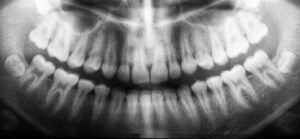
Wisdom teeth removal tends to sound simple until recovery begins. Most patients expect a few sore days, some swelling, and then a smooth return to normal. What often causes trouble is not the procedure itself, but the small decisions made in the first week after it. A missed dose of medication, a rushed workout, the wrong food choice, or too much rinsing too soon can turn an ordinary recovery into a painful one.
For patients planning Wisdom Teeth Removal Oxnard CA, this matters because the local details of life do not stop for surgery. People here head back to work quickly, students try to keep up with classes, and active patients often want to get outdoors as soon as they feel halfway decent. That impulse is understandable. It is also one of the main reasons recoveries go off track.
The good news is that most post operative problems are preventable. Dry socket, unnecessary bleeding, delayed healing, and prolonged swelling usually trace back to a short list of avoidable mistakes. Understanding what actually helps the extraction sites heal, and what interferes with that process, makes the recovery period more manageable and far less stressful.
What healing is supposed to look like
A normal recovery is not perfectly comfortable, but it is usually predictable. The first twenty four hours are often the messiest. Some oozing is common. Numbness wears off gradually. Swelling typically begins the same day and often peaks around the second or third day. Jaw stiffness can make it difficult to open wide, especially if the wisdom teeth were impacted or positioned awkwardly. By the end of the first week, many patients feel substantially better, even if the area is still tender.
That timeline changes from person to person. A healthy teenager with straightforward extractions may bounce back quickly. An adult patient with deeply impacted lower wisdom teeth may need longer, especially if the teeth were close to nerves or bone. Surgical difficulty matters. So does smoking status, general health, hydration, nutrition, and how closely aftercare instructions are followed.
One point is worth emphasizing. Feeling better on day three does not mean the sites are fully healed. The tissue is still fragile. The blood clot protecting the socket is still important. Much of the trouble people run into comes from acting as if recovery is finished when it has only just entered a less painful phase.
The mistake that causes the most misery
If there is one complication patients fear most, it is dry socket. Despite the name, it is not just a socket that feels dry. It is a painful condition that occurs when the blood clot at the extraction site is lost too early or fails to develop properly. That clot acts like a biological dressing. Without it, the underlying bone and nerves are left exposed, and pain can intensify dramatically.
Patients are often surprised by the timing. Dry socket usually does not hit immediately. Someone may feel reasonably sore for a couple of days, think things are improving, and then notice sharper, throbbing pain around day three to five. The discomfort may radiate toward the ear or along the jaw. The breath may smell unpleasant. The socket may look empty or have a pale appearance rather than the dark clot patients expect.
What leads to it? Suction is a frequent culprit. Drinking through a straw, vaping, smoking, forceful spitting, and aggressive mouth rinsing can all disturb the clot. So can poking the area repeatedly with the tongue or fingers. Lower wisdom tooth sites tend to be more vulnerable than upper ones. Tobacco use raises the risk further, and so does returning to strenuous activity too soon.
Dry socket is treatable, but it is much easier to prevent than to endure. Patients who take the first several days seriously usually avoid it.
The first day sets the tone for the whole week
The hours immediately after surgery are not glamorous, but they matter. This is where recovery either starts cleanly or gets needlessly complicated.
Biting on gauze with steady pressure helps control bleeding. The key word is steady. Constantly lifting the gauze to check the site tends to restart oozing. A little blood mixed with saliva can look dramatic, so patients often assume something is wrong when it is not. Light oozing is common. Bright red bleeding that fills the mouth rapidly and does not ease with pressure is different, and that is when the surgeon should be contacted.
Rest matters more than many people realize. Even healthy, active adults can trigger fresh bleeding by doing too much too soon. Walking around the house is fine. Running errands, carrying heavy bags, lifting weights, or trying to prove you feel “pretty normal” is not a wise move on the day of surgery. Blood pressure rises with activity, and extraction sites do not appreciate that.
Position also helps. Keeping the head elevated, even during rest, can reduce throbbing and swelling. Lying completely flat often makes people feel more pressure.
Cold packs are useful in the early phase, particularly over the first day. They do not need to be heroic or continuous. A practical rhythm of on and off intervals works well. After the first day or two, warmth often becomes more helpful than cold, especially for jaw stiffness.
Eating wrong is one of the most common recovery mistakes
People often receive general advice to eat soft foods, but that phrase is interpreted in creative ways. Some patients think a burger cut into small pieces counts. Others try chips because they can chew on the other side. A few decide they are tired of yogurt by the second day and jump straight to pizza crust. Oxnard wisdom tooth surgeon That is where trouble starts.
The best recovery foods are not just soft. They are also low irritation, easy to swallow, and unlikely to leave sharp fragments in the sockets. Temperature matters too. Extremely hot foods and drinks can aggravate bleeding in the first day. Spicy foods can sting. Crunchy particles can become trapped and cause tenderness.
Good choices tend to be simple and boring for a reason. Applesauce, smoothies eaten with a spoon, mashed potatoes, scrambled eggs, oatmeal once it has cooled, yogurt, cottage cheese, broths, and well cooked pasta are practical examples. Protein helps healing, but it does not need to come from something chewy. Soft fish, eggs, Greek yogurt, and protein shakes taken carefully without a straw can bridge the gap.
Hydration is just as important as food. A dry mouth feels worse, and dehydrated patients often experience more fatigue, more headaches, and less tolerance for discomfort. Sipping water regularly is one of the most helpful low effort habits during recovery.
Why straws, smoking, and vaping deserve repeated warnings
Patients sometimes roll their eyes when they hear this more than once, but repeated warnings are deserved. The mechanics matter. Any strong suction in the mouth can dislodge the clot that protects the healing socket. That includes the obvious, like straws and cigarettes, and the less obvious, like some forms of vaping.
Smoking adds another problem beyond suction. It reduces blood flow and exposes tissue to irritating chemicals and heat. In practical terms, smokers often heal more slowly and have more complications. Even a short break from smoking around surgery can make a difference, though many patients underestimate how difficult that can be once anesthesia wears off and routine returns.
If a patient insists that one quick sip through a straw or one cigarette probably will not matter, the honest answer is that it may not, but it absolutely can. Dry socket does not care that the risk seemed small in the moment.
Medication mistakes are more common than people admit
Pain control tends to work best when patients stay ahead of the discomfort rather than chasing it after it spikes. That does not mean taking more than prescribed. It means taking medications on the schedule recommended, especially in the first day or two, when inflammation is building.
One common problem is waiting until numbness has fully worn off and pain has become intense before taking the first dose. Another is skipping doses because the patient feels okay for a few hours, only to discover that soreness catches up fast. On the other side, some patients mix medications casually, assuming over the counter products are always harmless. They are not. Acetaminophen and ibuprofen are useful tools, but they need to be used correctly, and prescribed medications should be taken exactly as directed.
Antibiotics create their own set of mistakes. If they were prescribed, they should be taken as instructed. Stopping early because the mouth “looks fine” is not smart. Taking someone else’s leftover antibiotics is worse. Not every wisdom tooth extraction requires antibiotics, which is why the specific surgeon’s plan matters more than hearsay from friends.
Nausea can complicate the medication plan, especially after sedation. Taking pain medication on an empty stomach often makes that worse. Even a small amount of soft food beforehand can help.
Oral hygiene should be gentle, not fearful
Some patients avoid brushing almost completely because they are afraid to disturb the sites. Others go the opposite direction and clean too aggressively. Neither approach is ideal.
The rest of the mouth still needs hygiene. Plaque and food debris do not pause because oral surgery happened. Teeth away from the extraction sites should be brushed carefully. The surgical areas should be respected, not scrubbed. Depending on the instructions given, gentle rinsing usually begins after the first day, often with warm salt water. The word gentle matters. Swishing hard and spitting forcefully can cause problems. Letting the liquid roll around the mouth and then leaning over the sink to let it fall out is usually safer early on.
When food gets caught near the back, patients become understandably fixated on it. Many will prod the area with a fingernail, a toothbrush handle, a toothpick, or whatever is closest. That usually causes more irritation than relief. If an irrigation syringe was provided, it should be used only when the surgeon advised, not immediately after surgery. Timing varies, and using it too soon can disrupt healing.
Two recovery checklists worth following
The first several days go more smoothly when patients keep a short mental checklist rather than relying on how they feel in the moment.
What to do in the first 72 hours
- Rest more than you think you need to, and keep your head elevated when possible.
- Drink water frequently, and choose soft foods that do not require chewing at the back of the mouth.
- Use medications exactly as directed, especially before pain escalates.
- Apply cold packs during the early swelling phase, then shift to warmth later if jaw stiffness becomes the bigger issue.
- Protect the blood clot by avoiding straws, smoking, vaping, forceful rinsing, and spitting.
That list looks basic, but most avoidable complications begin when one of those five points gets ignored.
Activity too soon can undo a decent recovery
This is one of the most underestimated mistakes, especially among younger patients and regular gym goers. They often assume that if they are no longer sleepy from sedation, they are cleared to return to normal movement. From a healing standpoint, those are not the same thing.
Heavy exercise raises blood pressure and heart rate. That can restart bleeding, increase throbbing, and worsen swelling. Bending over repeatedly can create pressure and discomfort. Contact sports bring an obvious risk of trauma to the jaw. Even swimming can be unpleasant if mouth pressure changes or if the patient ends up clenching against discomfort.
Most patients do well with a gradual return. Light walking is usually fine fairly early. Serious workouts should wait until the oral surgeon says the timing is reasonable, and even then, it makes sense to ease in. Patients who try to “test it” often learn the answer the hard way later that evening.
Sleep, stress, and the hidden role of clenching
Not every recovery problem comes from food or exercise. Some come from tension. Patients who clench their jaw in their sleep often wake with more soreness than they expected. They may assume the surgery suddenly worsened overnight, when in reality the muscles around the jaw have been overworked for hours.
Stress contributes too. Many people breathe through the mouth more while sleeping after oral surgery, especially if swelling or congestion is present. That leaves the mouth dry and sticky by morning. Others doze poorly because they are trying to avoid moving. Fatigue lowers pain tolerance and makes ordinary recovery sensations feel more alarming.
A practical setup helps. Extra pillows, a bedside water bottle, medications organized before bed, and a towel over the pillowcase if minor oozing is still present can prevent a miserable night. These are small details, but patients remember them because they make the first few nights less chaotic.
When normal swelling turns into something worth a phone call
Patients often struggle to know what is routine and what deserves attention. Some degree of swelling, bruising, soreness, and limited opening is expected. There can be asymmetry too. One side may hurt more than the other, especially if one tooth was more difficult to remove.
What should raise concern is a pattern that clearly worsens rather than slowly improves after the first few days, especially when paired with fever, foul tasting drainage, or significant swelling that becomes hard, hot, or increasingly painful. Trouble swallowing or breathing is never something to watch casually at home. Persistent heavy bleeding is another reason to call promptly.
Pain that suddenly intensifies after a period of improvement may point to dry socket. Numbness that does not fade as expected can also justify a discussion, particularly after lower wisdom tooth surgery where nerves may have been close to the roots. Many postoperative calls turn out to be reassurance, which is perfectly fine. It is better to ask than to sit on a problem that is becoming more difficult to manage.
Questions patients in Oxnard often ask before they should be worried
In coastal communities like Oxnard, routines tend to resume quickly. Patients want to know when they can get back to the beach, return to work, attend school, or join weekend plans. The answer depends less on the calendar and more on the quality of healing.
A desk job may be realistic within a day or two for some patients, particularly after lighter sedation and simpler extractions. Jobs involving lifting, public speaking, heavy physical effort, or outdoor heat may require longer. Students can often return sooner than they feel enthusiastic about, but they should expect some fatigue and bring water, soft snacks, and any approved medications.
Beach days raise a few practical issues. Heat can intensify swelling early on. Sun and dehydration are a poor combination after surgery. Wind and sand are not ideal when your mouth already feels irritated. It is usually smarter to wait until the first phase of healing has settled rather than pushing through because the weather looks good.
Travel right after surgery is another situation that deserves planning. If sedation was used, driving is already restricted. Long trips can make it harder to stay on top of hydration, medications, and rest. If someone is arranging Wisdom Teeth Removal Oxnard CA around a school break or work window, giving yourself an extra recovery buffer is wise. Patients rarely regret building in more time. They often regret assuming they would heal on the fastest possible timeline.
The five mistakes that lead to most callbacks
Every oral surgery office sees a pattern. Different patients, same handful of problems. Most urgent post op calls can be traced to familiar recovery missteps.
- Using a straw, smoking, vaping, or creating suction in the mouth too early.
- Eating foods that are crunchy, spicy, sharp, or simply too advanced for the healing stage.
- Returning to exercise, work, or errands before bleeding and swelling have stabilized.
- Taking medications inconsistently, or waiting too long to start pain control.
- Cleaning the mouth too aggressively, or not enough, because of confusion about what is safe.
If patients avoid those five, recovery tends to be much more straightforward.
Recovery is easier when expectations are realistic
The smoothest recoveries are not always the ones with the least discomfort. They are often the ones where patients know what is normal, respect the healing process, and do not keep testing the boundaries. Some swelling is normal. A soft diet for several days is normal. Being tired, mildly stiff, and a little irritable is normal. None of that means something is wrong.
What gets people into trouble is impatience. They feel better for half a day and decide they are done recovering. They sip through a straw. They go for a run. They eat chips. They stop the routine that was working. Then the mouth reminds them that oral surgery heals on its own timeline.
Patients preparing for Wisdom Teeth Removal Oxnard CA do best when they think beyond the procedure itself. Set up your recovery space in advance. Stock food you can actually eat. Clear your schedule more than feels necessary. Ask questions before surgery, not after a problem begins. Those simple steps do not make healing glamorous, but they do make it smoother, safer, and far less painful than it needs to be.
Oxnard Dentistry
1730 E Gonzales Rd
Oxnard, CA 93036, United States
Phone: +1 805-307-8731
FAQ About Wisdom Teeth Removal Oxnard CA
How much does it cost to get wisdom teeth removed in California?
Fees depend on tooth position, the number of extractions, imaging and anesthesia. Oxnard Dentistry can provide an individual estimate after examining your teeth. Ask for an itemized plan and confirm insurance benefits before scheduling.
Will insurance cover wisdom teeth removal?
Coverage and out-of-pocket costs vary by policy and the treatment required. Ask the dental office and your insurer to verify benefits, annual limits and any authorization requirements. A benefit estimate does not guarantee payment.
Is 30 too old to have wisdom teeth removed?
Age alone does not determine whether extraction is appropriate. A dentist evaluates symptoms, tooth position, oral health and medical history. Healthy, functional wisdom teeth may be monitored; teeth causing disease or other problems may need treatment.