The Cost of Veneers in Oxnard CA Explained
If you have started looking into veneers, you have probably noticed two things right away. First, prices vary more than most people expect. Second, the cheapest number in an ad rarely reflects the full investment.
That is especially true when people search for Veneers Oxnard CA and try to compare offices quickly. One practice may quote a starting price for composite bonding on a single tooth, while another is talking about custom porcelain veneers designed as part of a broader smile makeover. On paper, both are “veneers.” In real life, they are not the same product, not the same process, and not the same long-term value.
I have seen patients walk into consultations focused on one question, “What does a veneer cost?” By the end of the conversation, the better question is usually, “What am I actually paying for?” That is where the real clarity begins.
The short answer on price
In Oxnard and the broader coastal Southern California market, the cost of veneers often falls into a fairly wide range. Fees depend on the dentist’s training, the material used, the complexity of the case, the lab involved, and whether additional dental work has to happen before the veneers are placed.
Here is a practical snapshot of typical ranges you may encounter:
| Type of veneer or related service | Typical range per tooth | Notes | |---|---:|---| | Composite veneer | $500 to $1,500 | Usually completed in one visit, lower upfront cost, shorter lifespan | | Porcelain veneer | $1,200 to $3,000 | Most common premium option, custom lab-made, more durable and stain-resistant | | Temporary veneer or mock-up | May be included or billed separately | Often part of smile design, especially in larger cosmetic cases | | Recontouring, bonding, or shaping | Varies | Sometimes used instead of veneers for minor cosmetic changes | | Replacement veneer | Often similar to or slightly higher than original fee | Depends on why it failed and whether surrounding teeth changed |
Those numbers are not guarantees, and they should not be treated like a menu. They are a starting point. A front tooth with old bonding, minor rotation, and a bite issue may cost more to restore properly than a straightforward case with a healthy tooth and stable alignment.
Why veneer pricing in Oxnard can feel all over the map
Oxnard sits in a market where patients have options. Some are comparing neighborhood general dentists, some are looking at cosmetic-focused practices, and some are willing to drive to Ventura, Camarillo, Thousand Oaks, or even Los Angeles for treatment. That creates a broad price spread.
Geography matters, but it is not the whole story. What really changes cost is how much design work and clinical precision goes into the case.
A low-fee veneer may involve minimal planning, a basic shade match, and less customization. A higher-fee veneer often includes digital photography, facial analysis, trial smiles, lab communication, bite evaluation, temporaries, and multiple quality checks. Those steps take time. They also reduce the odds of ending up with veneers that look bulky, too opaque, too white, or out of proportion to the face.
When patients tell me they got wildly different quotes, I usually ask what was included in each plan. That is where the answers start to make sense.
What you are actually paying for
A veneer is not just a thin shell placed on a tooth. The fee covers diagnosis, planning, prep, materials, lab fabrication if porcelain is used, placement, finishing, and post-treatment follow-up. In cosmetic dentistry, the invisible work often matters most.
Several cost drivers show up again and again:
- Material choice. Porcelain costs more than composite because it requires custom fabrication and tends to deliver better longevity, translucency, and stain resistance.
- Dentist experience. A clinician who does cosmetic cases regularly may charge more, but that fee often reflects refined technique and better aesthetic judgment.
- Laboratory quality. High-end dental labs are expensive. They also tend to produce more natural contours, color transitions, and light reflection.
- Case complexity. Worn teeth, crowding, previous dental work, gum asymmetry, or bite issues increase chair time and planning.
- Number of veneers. Per-tooth pricing is common, but larger cases may involve package pricing or adjustments based on the treatment plan.
The phrase “you get what you pay for” can be lazy advice in healthcare. Sometimes it is true, sometimes it is not. With veneers, though, unusually low pricing should prompt careful questions. Cosmetic dentistry is one of the areas where corners can show up years later as fractures, gum irritation, color mismatch, or a smile that never looked quite right.
Porcelain versus composite, the biggest cost fork in the road
For many patients, this is the first major decision.
Composite veneers are typically sculpted directly on the teeth with tooth-colored resin. They can be a smart option for smaller cosmetic improvements, younger patients, or people who want a lower upfront cost. They usually require less financial commitment at the start, and in some cases less tooth reduction. The trade-off is durability. Composite tends to stain, chip, and lose surface polish faster than porcelain. It can look very good in skilled hands, but it usually does not hold that “fresh” look as long.
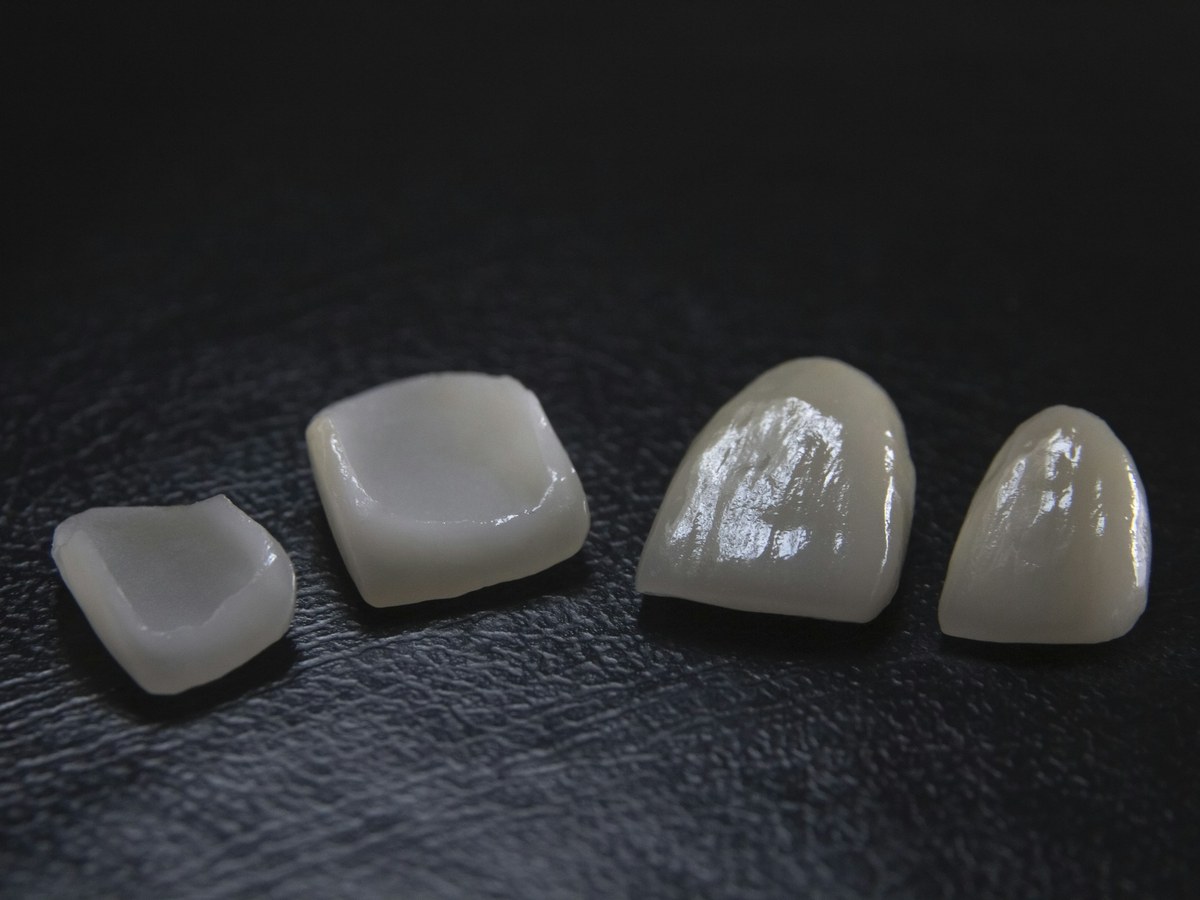
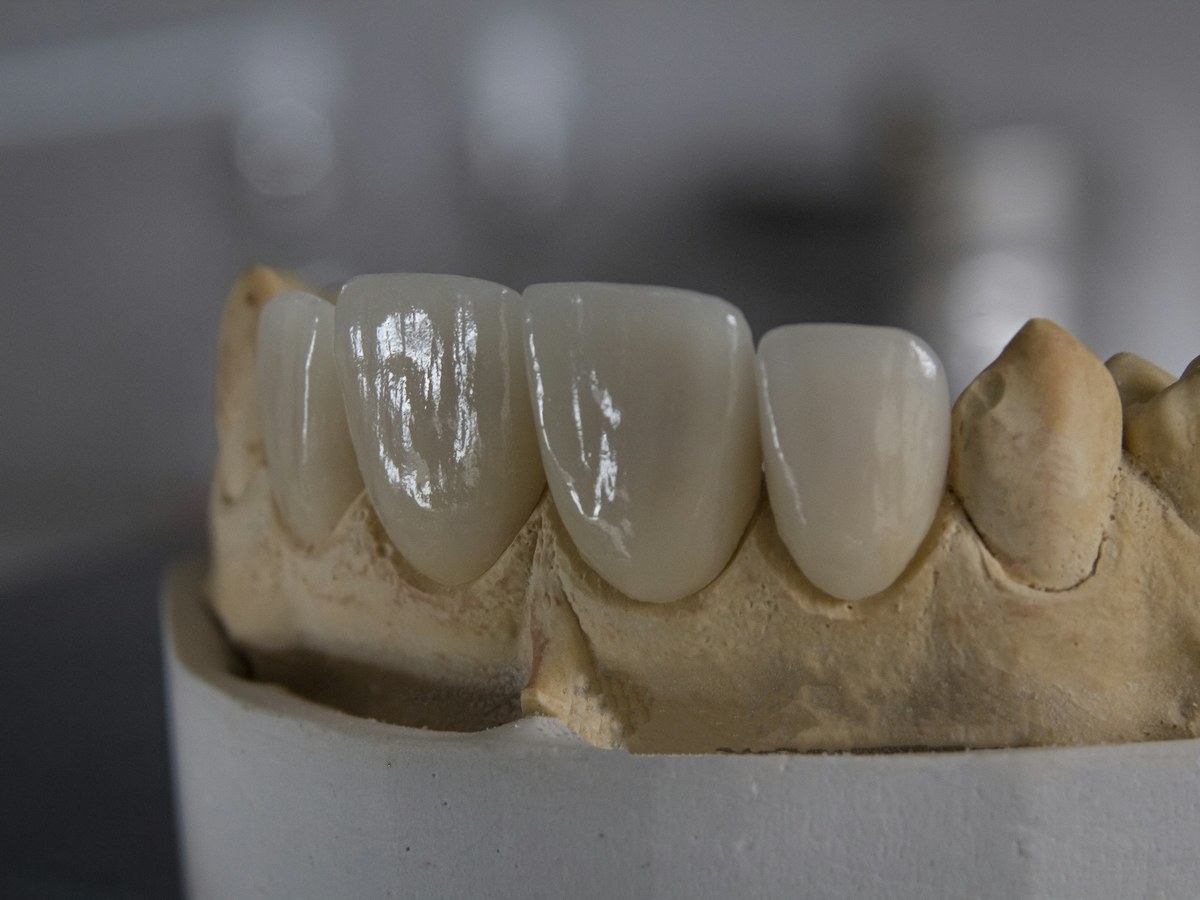
Porcelain veneers cost more because they are custom-made in a lab and demand more steps. When done well, they are stronger, more color-stable, and more lifelike under natural light. They also generally last longer. Many patients who initially hesitate at the price end up choosing porcelain because they do not want to revisit the same cosmetic issue every few years.
That said, porcelain is not automatically the right answer for everyone. If a patient has significant grinding habits, unstable oral health, or goals that could be met with whitening, contouring, orthodontics, or bonding, veneers may not be the best first move.
How many veneers do most people need?
This is where costs can climb fast.
Some people need one veneer to restore a chipped or discolored tooth. Others want a broader smile redesign and need six, eight, or ten veneers across the visible upper front teeth. Occasionally, lower veneers are added too, though that depends on how much lower teeth show when the person speaks and smiles.
A single veneer can work beautifully when the color match is straightforward and neighboring teeth are healthy. It can also be one of the hardest cosmetic jobs in dentistry when matching a naturally translucent front tooth. Ironically, one veneer is sometimes more technically demanding than a set.
When patients ask why someone else paid far more for veneers, the answer is often simple. One person treated two teeth. Another treated eight.
Costs beyond the veneer itself
One of the most common budgeting mistakes is assuming the veneer fee is the whole treatment cost. Sometimes it is. Sometimes it is not even close.
If your teeth and gums are healthy, the process may be fairly direct. If they are not, your dentist may recommend foundational care first. That could include fillings, gum treatment, professional cleaning, bite adjustment, whitening on untreated teeth, or replacement of old restorations nearby so the final smile looks consistent.
There can also be planning and diagnostic fees. Some cosmetic offices include records, photos, digital scans, mock-ups, and temporaries in the main fee. Others bill certain components separately. Neither approach is inherently wrong, but you need to know which system the office uses.
A few related expenses worth asking about include:
- consultation or smile design fees
- temporary veneers or provisional restorations
- replacement of old fillings around veneer teeth
- a night guard if you clench or grind
- future maintenance or repair costs
A night guard is a good example of a cost that some patients resist at first. Then they chip a veneer while grinding during sleep, and the guard suddenly looks inexpensive. Preventive spending often feels optional until repair work becomes necessary.
The planning phase, where good money is either spent or saved
People usually focus on the day veneers are cemented in place. In practice, the planning phase is where the outcome is won or lost.
A careful cosmetic evaluation looks at tooth proportion, lip line, gum symmetry, smile width, bite forces, speech, and how much tooth structure can be preserved. In stronger cases, the dentist may use wax-ups, mock-ups, or temporary trial smiles to preview shape and length before final porcelain is made.
This extra work affects cost, but it often saves patients from the expensive disappointment of remakes. I have seen cases where a patient chose the lowest quote, disliked the result, and then paid a second dentist to replace everything within a year or two. What looked cheaper became the most expensive path available.
This is one reason comparing veneer quotes without understanding the process can be misleading. A lower fee may exclude the very steps that prevent mistakes.
Why one office quotes $1,400 and another quotes $2,800 per tooth
There are legitimate reasons for a big spread in pricing.
One dentist may handle veneer cases occasionally, while another has built a large part of the practice around aesthetic dentistry. One office may use an in-house process for some restorations, while another works with a premium ceramist who hand-layers porcelain. One may do minimal prep veneers where appropriate, and another may recommend traditional prep because the case truly needs more reshaping for a stable result.
There is also the matter of appointment time. Some offices schedule cosmetic procedures with more cushion, more shade verification, and more follow-up. Others run fast. Speed is not always bad, but cosmetic dentistry rewards patience.
A veneer that is too thick, too flat, or poorly integrated into the bite can create problems that do not show up on the day it is delivered. They show up six months later, when the edge chips or the gums stay inflamed.
Dental insurance, financing, and what is usually covered
Veneers are most often considered elective cosmetic treatment. That means dental insurance usually does not cover them. There are exceptions when a veneer restores a tooth damaged by fracture or structural loss, but even then coverage varies widely and should never be assumed.
Many practices in Oxnard offer financing plans or phased treatment. That matters because the total for a multi-unit veneer case can be substantial. A patient getting eight porcelain veneers at $1,800 per tooth is looking at $14,400 before any related care. At $2,500 per tooth, the same case becomes $20,000. Those are real numbers, and they deserve honest planning.
A reputable office should be willing to explain payment options clearly, including what happens if an unexpected adjustment or remake is needed. If a financing arrangement makes treatment possible, that can be helpful. It should not pressure you into a cosmetic decision you are not ready to make.
Cheap veneers can get expensive later
The upfront price is only part of the story. Longevity changes the math.
Composite veneers may cost less today, but if they need more frequent polishing, repair, or replacement, the lifetime cost can narrow the gap with porcelain. Porcelain, while more expensive initially, often holds its appearance longer with proper care.
There is also the issue of biological cost. Over-prepared teeth, poorly fitting margins, or veneers placed in a mouth with untreated gum disease can create problems that no savings justify. Once healthy enamel is removed, it does not grow back. Veneers are a commitment, and that commitment should be treated seriously.
Patients sometimes ask whether they can get just the visible cosmetic benefit without the higher-end planning and craftsmanship. In some minor cases, yes. In many cases, no. The smile is too central, too visible, and too hard to fake convincingly with shortcuts.
How to tell if a veneer quote is fair
A fair quote is not always the lowest or the highest. It is the one that matches the complexity of your case and clearly explains what is included.
When reviewing a treatment estimate, listen for precision. A good office can usually tell you what material is planned, how many units are recommended, whether temporaries are included, what the timeline looks like, and whether any supporting treatment is needed first. Vague answers are a warning sign.
You should also pay attention to the consultation itself. Did the dentist study your face and bite, or mostly talk about color and whiteness? Did they show examples that resemble your goals, or just generic before-and-after photos? Did they discuss alternatives, such as whitening, orthodontics, enamel contouring, or bonding? A dentist who immediately pushes veneers for every cosmetic complaint may not be exercising much judgment.
Cases where veneers may not be the first answer
Some patients come in convinced they need veneers when they actually need something simpler.
Mild spacing can sometimes be corrected with bonding. Slight rotation or crowding may respond better to orthodontics. Uniform discoloration might improve enough with whitening that veneers are unnecessary. Short teeth may be more of a gum contouring issue than a veneer issue. Worn edges from grinding may call for bite management before cosmetic work.
Good cosmetic dentistry is not just about what can be done. It is about what should be done. The best consultation occasionally ends with a smaller plan than the patient expected, not a bigger one.
That can save thousands of dollars and preserve more natural tooth structure.
What maintenance costs look like over time
Veneers are not maintenance-free. They are low-maintenance compared with some options, but not maintenance-free.
You still need regular cleanings, exams, good brushing and flossing habits, and attention to bite forces. If you grind, a Veneers Oxnard CA night guard is often non-negotiable. If you chew ice, tear open packages with your teeth, or treat veneers like tools, repair costs can arrive quickly.
Porcelain does not whiten with bleaching products, so if surrounding natural teeth darken over time, color harmony may change. Composite may require periodic polishing or touch-ups. Even beautifully done veneers may eventually need replacement after years of service.
That does not make them a bad investment. It simply means they are a long-term restoration, not a one-time beauty purchase.
Choosing a provider in Oxnard without getting lost in marketing
When people search for Veneers Oxnard CA, they often end up comparing polished websites, financing offers, and dramatic before-and-after images. Those things can be useful, but they are not enough.
Ask to see cases similar to yours. A patient with one dark front tooth needs a different skill set than a patient wanting eight brighter, more symmetrical upper veneers. If possible, ask how the office approaches shade selection, temporary restorations, and bite design. Those details tell you far more than a slogan ever will.
It is also wise to notice whether the office discusses limits honestly. If your goals are unrealistic, a trustworthy dentist should say so. Cosmetic treatment works best when expectations are ambitious but grounded.
The real question to ask before saying yes
The right question is not simply, “Can I afford veneers?”
It is, “Will this treatment solve the problem I actually have, and is this the right way to do it?”
For some people in Oxnard, veneers are absolutely worth the cost. They restore confidence, improve symmetry, cover discoloration that whitening cannot fix, and create a smile that feels aligned with the rest of the face. For others, veneers are too aggressive, too expensive, or simply unnecessary when compared Veneers Oxnard CA with more conservative options.
If you are evaluating fees, ask for clarity, not just numbers. A thoughtful treatment plan should explain the type of veneer, the number of teeth involved, the expected lifespan, the maintenance requirements, and the reasons behind the recommendation. Once you have that level of detail, the price starts to make sense.
And that is usually the moment patients stop shopping for “the cheapest veneers” and start looking for the best value, the one that protects their teeth, fits their goals, and stands up over time.
Oxnard Dentistry
1730 E Gonzales Rd, Oxnard, CA 93036, United States
+1 805-307-8731
FAQ About Veneers Oxnard CA
How long do porcelain veneers last?
Porcelain veneers can last for many years, but they can chip, loosen, or wear over time. Their lifespan depends on factors such as your bite, whether you grind your teeth, and daily care. Regular dental visits let your dentist check their condition.
Are dental veneers permanent?
Traditional veneers often require removing a small amount of enamel, so that change to the tooth is generally irreversible. Veneers can still need repair or replacement. Ask your dentist how much preparation your teeth would require.
How much do veneers cost in Oxnard?
Cost depends on the material, how many teeth you want treated, and whether you need other dental work first. Ask for a written estimate that explains the price per tooth and what is included.